Mon-Sat: 7:30 a.m. to 6:30 p.m. | Sun: 10:00 a.m. to 3:00 p.m.

Mon-Sat: 7:30 a.m. to 6:30 p.m. | Sun: 10:00 a.m. to 3:00 p.m.
Foothills, Rocky View & Greater Calgary Area

Gutters play a crucial role in defending your home from water damage, yet many overlook their importance until issues arise. In this guide, you'll explore how selecting the right gutters can effectively channel rainwater and safeguard your property’s structural integrity. Whether you’re in a region prone to heavy rainfall or one with unpredictable weather patterns, understanding gutter function and design is key.
You’ll learn:
This introductory section not only highlights the importance of gutters in managing moisture but also sets the stage for detailed, actionable advice. As you read on, you’ll find insights that cater to homeowners in various locations, providing a localized perspective that helps you make informed choices. Get ready for an engaging walk-through that answers your questions and guides you toward selecting a solution that is both reliable and suited to your local climate conditions.
When selecting gutter materials, it pays to dive into the various options available. Different materials offer distinct benefits and potential drawbacks, which can greatly impact your home's performance against water damage and local weather conditions. Consider the following popular choices:
• Aluminum: Lightweight and resistant to rust, aluminum gutters are affordable and easy to install. However, they may dent under heavy impact and might not offer the durability required in extreme climates.
• Copper: Renowned for its longevity and exquisite appearance, copper gutters are nearly maintenance-free and develop a unique patina over time. The trade-off is a higher upfront cost and the need for specialized installation.
• Galvanized Steel: Offering superior strength and durability, galvanized steel gutters provide robustness against harsh weather. On the downside, they are heavier, require more maintenance to prevent rust, and could incur higher installation expenses.
• Vinyl: An economical option ideal for regions with less demanding climates, vinyl is simple to clean and install. However, it can warp or crack in areas with high temperature fluctuations.
By evaluating these materials based on your local climate and home requirements, you can make a well-informed decision that enhances your home’s protection and curb appeal.
Getting the measurements right is the cornerstone of a successful gutter installation. Follow these steps to ensure precision and a smooth process:
Tip: Double-check your measurements and plan during dry weather to ensure accurate readings and a reliable water drainage system in your local area.
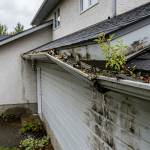
Keeping your gutters in top shape can significantly extend their lifespan and ensure your home remains protected from water damage. Regular cleaning and maintenance are crucial, especially during seasonal shifts when debris like leaves and twigs are abundant. Begin by inspecting your gutter system at least twice a year, preferably during the spring and fall, to catch any buildup early.
To maintain an efficient system, follow these practical steps:
By incorporating these actionable tips, homeowners in any region—from urban neighborhoods to rural locations—can keep their gutter systems functioning properly and safeguard their homes effectively.
What factors should I consider when selecting a gutter system?
When choosing gutters, consider durability, maintenance needs, and how well the material stands up to your local weather. Homeowners in urban as well as suburban locations need systems that can handle heavy downpours and resist corrosion over time.
How does proper installation impact gutter performance?
Accurate installation ensures that water flows efficiently, protecting your home’s foundation and roof from water damage. A well-aligned gutter reduces the risk of leaks and prevents costly repairs down the road.
What are the best practices for gutter maintenance?
Regular cleaning and inspections are key. Remove debris, check for clogs, and inspect downspouts monthly during peak rainy seasons. Routine upkeep extends the life of your gutter system.
How frequently should gutters be cleaned?
It is advisable to clean gutters at least twice a year—typically in the spring and fall—to maintain optimal function.
Are DIY gutter installations recommended?
While some homeowners opt for a DIY approach with proper guidance, many find that a professional installation can ensure safety and compliance with local building codes and standards.
Navigating through gutter options need not be overwhelming if you break down the key points. In this guide, you’ve learned how important it is to evaluate material durability, installation techniques, and local compatibility to effectively protect your home from water damage. Consider these practical steps as you move forward:
By summarizing these insights, you’re well-equipped to make an informed decision on the best gutter system for your home. Take actionable next steps by drafting a list of priorities and scheduling consultations with local suppliers. Remember, well-chosen gutters don’t just manage water—they protect your property and add lasting value. Now is the time to take your knowledge and put it into practice for a more secure, efficient home.