Mon-Sat: 7:30 a.m. to 6:30 p.m. | Sun: 10:00 a.m. to 3:00 p.m.

Mon-Sat: 7:30 a.m. to 6:30 p.m. | Sun: 10:00 a.m. to 3:00 p.m.
Foothills, Rocky View & Greater Calgary Area
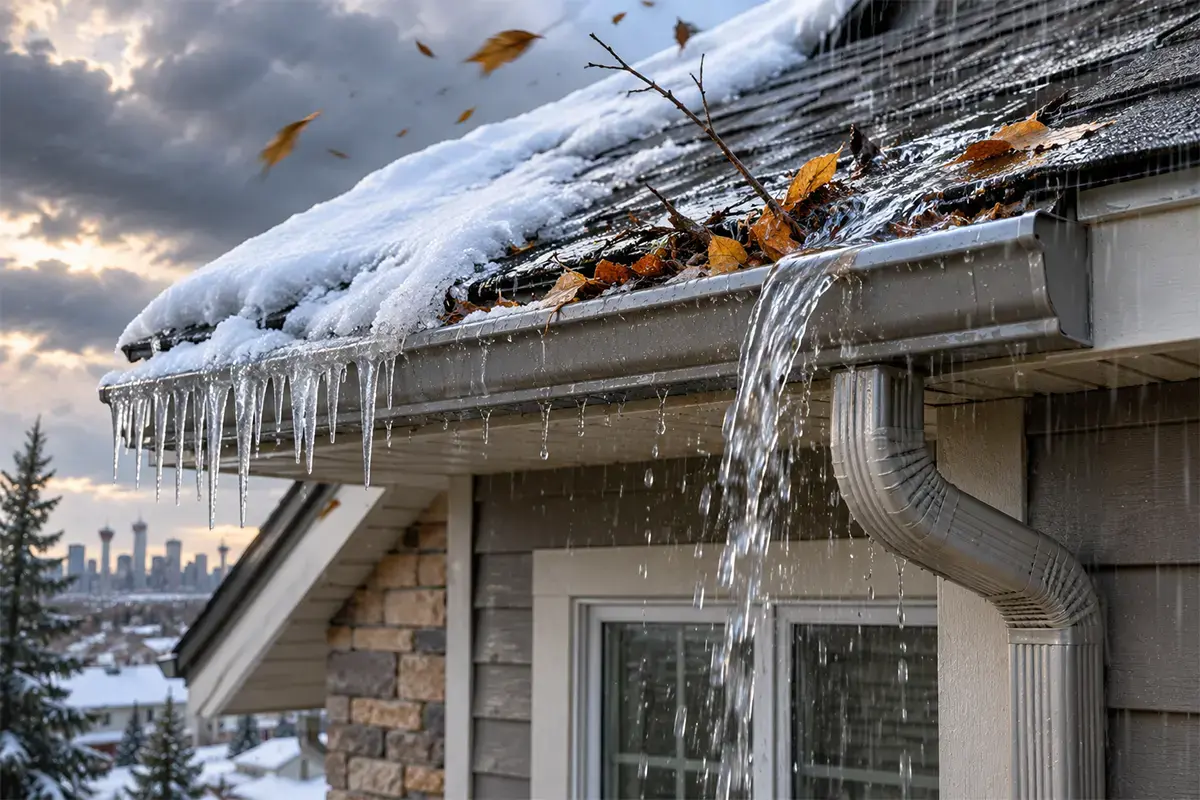
The climate in Calgary is unpredictable; snow could be followed by a Chinook breeze after which it gets extremely cold. Strong rainfall, hail, and winds pose other dangers. Eavestroughs should carry water away from your roof and basement all year round.
A clogged or damaged eavestrough may mean water will overflow and build up around your house. Understanding how weather affects your eavestroughs makes it possible for you to detect any issue and know what to do.
The job of an eavestrough is to direct rain, melting snow, and debris to the downspouts. In Calgary, weather changes will affect drainage. Water can freeze overnight and thaw during the day. Debris is carried on roofs by wind, while rain comes from thunderstorms in summer.
A combination of the roof edge, eavestroughs, junctions, and downspouts determines drainage. A minor defect can become evident only with the onset of snowmelt or thunderstorms.
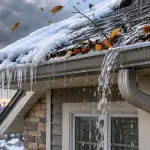
Freeze and thaw cycles result from Calgary's temperature changes. Water caught in an obstructed eavestrough will freeze, expand, and exert pressure on the joints. Weight is added by ice on sections with loose or damaged hangers.
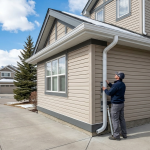
After the freeze, check from the ground for sags, separate joints, leaks, or sections pulling away from the fascia. Don’t use any tools against ice or try to pull an eavestrough that is frozen, as you could damage the system or fall yourself.
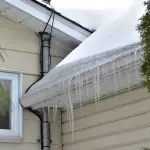
Another issue, ice dams, is similar to but distinct from blockage. Ice dams occur at the edge of a roof when melting snow freezes again. Factors that affect their formation include heat escaping the roof, insulation, ventilation, and weather.
A heavy summer shower can bring to light issues that don’t surface when it rains lightly. Any overflow may imply the eavestrough is either clogged, small in size, poorly angled, or attached to a clogged downspout. You should determine if this takes place at one point or at its entire length.
Hail stones can damage metal eavestroughs, roof material, and other fixtures. You should examine them from the ground after a hailstorm and take pictures of any damage.
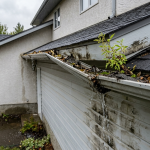
The wind brings in leaves, branches, and other debris from the roof into the eavestroughs. The accumulation tends to take place in the corners or where the downspouts emerge, reducing the flow of water or even making it stop.
It is important to check on the system twice a year, in the spring and fall seasons, and after any stormy weather which can lead to damages. In case you can’t reach the roofline, consider hiring a professional. Never lean the ladder against the eavestrough.
Seasonal checks can catch trouble before a storm.
In spring, look for loose sections, winter damage and blocked downspouts. If safe, run water through the system to check drainage. In summer, watch for overflow, leaks or pooling during heavy rain.
In fall, clear leaves and check downspouts before freezing weather. Direct water away from the foundation and walkways. In winter, watch for unusual icicles, sagging or overflow during warm spells. Leave roof snow and ice removal to professionals.
Eavestrough cleaning in Calgary is required more often when trees overhang the roof. Set the schedule according to debris and drainage, not just the calendar.
A few checks can help you describe the problem clearly. Note which side of the house overflows, whether it happens only during heavy rain, and whether water still drains after the storm. Look for stains on siding, washed-out soil, damp spots near the foundation and water marks beneath joints. These clues help a contractor narrow down the cause. They also help you explain if the issue appears during snowmelt, rainfall or a freeze. Keep photos taken from the ground, especially if the problem comes and goes. This makes the first inspection more useful.
A blockage or loose connection may only need cleaning or repair. Replace sections that are badly corroded, repeatedly leaking, bent or pulling away. Overflow after cleaning may point to problems with size, slope or downspout layout.
Before eavestrough installation in Calgary, ask the contractor to assess roof area, drainage needs, fascia and downspout locations. Ask why they recommend a certain material and size, and what the estimate includes.
Or you can contact Eavestrough Co. to discuss the drainage problem and if cleaning, repair or replacement is the right next step.
Snow, ice and repeated freezing and thawing can block drainage, add weight and expose weak joints or fasteners. Inspect the system after winter weather.
Yes. If melting water reaches a blocked or restricted channel, it may spill over the edge instead of flowing through the downspout.
Check them in spring and fall, then adjust cleaning based on nearby trees, debris and drainage problems. Some homes need more frequent attention.
They can. Water trapped in the system may freeze and expand, putting pressure on joints and weak sections.
Repair may suit isolated leaks or loose connections. Repeated leaks, severe damage, sagging or ongoing overflow may call for a full assessment and possible replacement.